New UPSC Foundation, Optional and TGPSC/APPSC batches are open — book your counselling slot.Today's Current AffairsToday's Daily QuizCall 98804 87071

Pragnya Daily · 6:00 am IST

UPSC Daily Current Affairs Analysis

Every morning our editors scan The Hindu, Indian Express, Times of India, PIB, Down To Earth, RBI, ministries, the World Bank, IMF and UN agencies, and turn the 10 most exam-relevant stories into syllabus-mapped analysis with infographics, Prelims MCQs and Mains model answers.

10 stories dailyGS paper mappingInfographicsPrelims MCQsMains model answers

Today's edition

Saturday, 24 October 2026

9 analysed stories

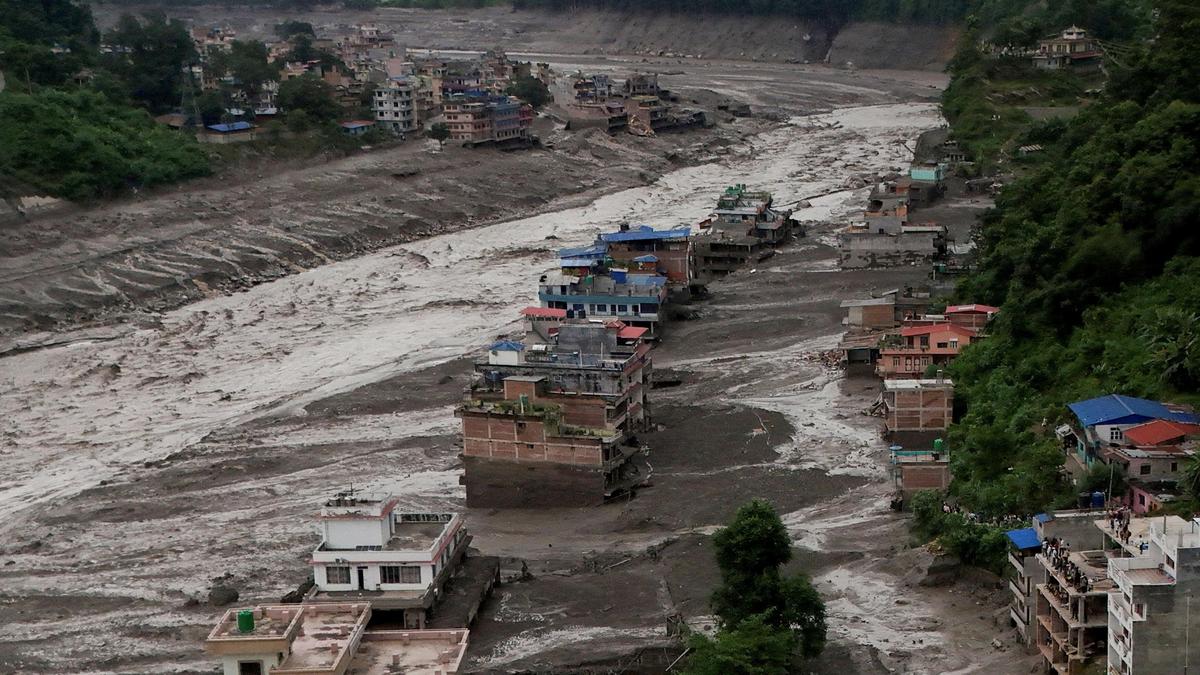
Reference image accompanying reporting on Nepal’s loss-and-damage funding allocation, not a verified view of the August 2026 floods. The $21.6 million earmark requires a funding request and further Board approval before disbursement.#4
Environment & EcologyGS 2 & 3

Nepal’s First Loss and Damage Fund Allocation: Climate Justice and Finance Gaps

The Fund for Responding to Loss and Damage has provisionally earmarked $21.6 million for Nepal following its August 2026 floods, marking its first country-specific allocation. This is not a completed payout: Nepal must submit a funding request for further Board approval before money is released. The decision advances climate justice but exposes major gaps between disaster recovery needs, available finance and the speed of access.

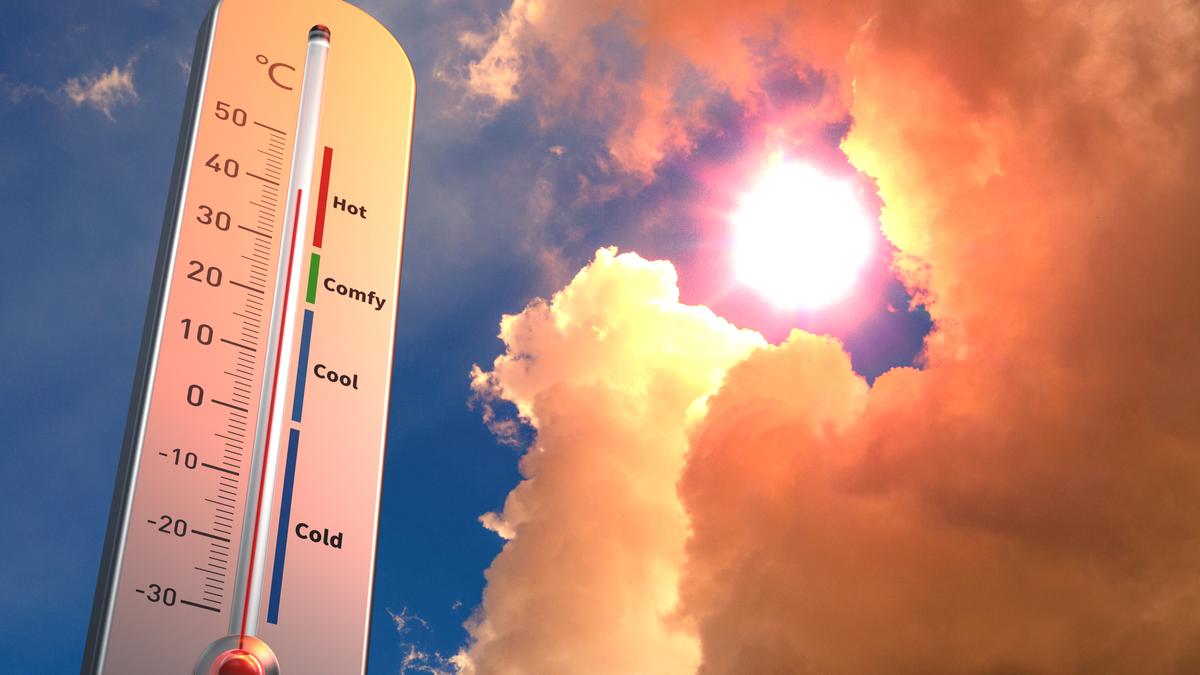
El Niño warming in the tropical Pacific can reorganise atmospheric circulation and raise risks to India’s monsoon, agriculture and water supplies; it does not make drought inevitable.#5
Environment & EcologyGS 1 & 3

WMO El Niño Warning: ENSO Dynamics and Risks to India’s Monsoon and Water Security

The WMO’s seasonal outlook warns that the prevailing El Niño could reach unprecedented strength, with tropical Pacific sea surface temperatures potentially rising 3.8°C above average during November 2026–January 2027. For India, this strengthens the case for heat, agricultural and water-security preparedness, but does not establish that drought or monsoon failure is inevitable.

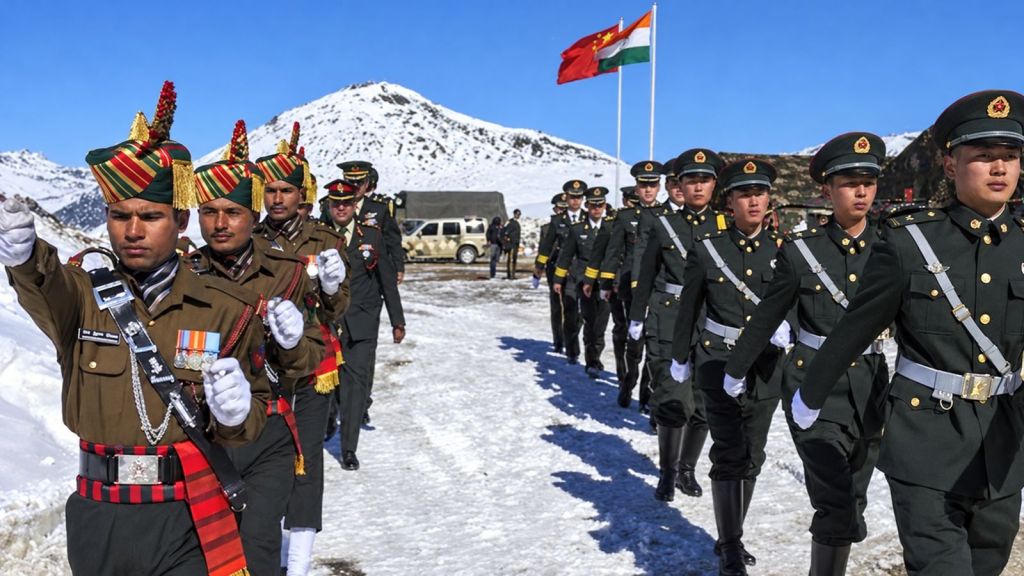
MEA spokesperson Randhir Jaiswal said departures by Chinese forces from established patrolling patterns periodically disturb stability in India–China border areas.#6
Security & DefenceGS 2 & 3

India–China LAC Face-offs: Patrol Deviations, Border Stability and Confidence Building

The ITBP Director General has acknowledged continuing face-offs at several locations in Arunachal Pradesh. Responding to his remarks, the Ministry of External Affairs said deviations by Chinese forces from established patrolling patterns periodically disturb border stability, while referring operational specifics to the Ministry of Defence. The developments underline the need for predictable patrol practices, effective military communication and credible border-management arrangements.

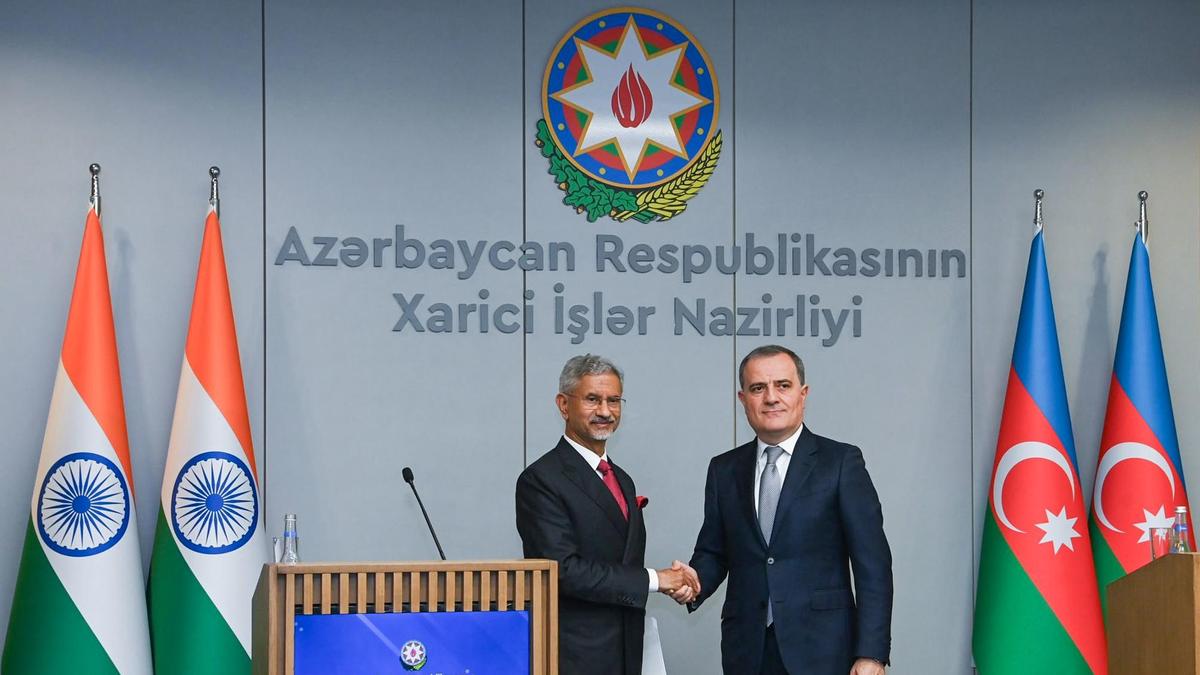
S. Jaishankar’s engagement with Azerbaijan’s leadership in Baku focused on rebuilding ties through connectivity, energy and trade, while differences over Pakistan and Kashmir remained unresolved.#7
International RelationsGS 2

India–Azerbaijan Reset: Connectivity, Energy and the Pakistan–Kashmir Challenge

External Affairs Minister S. Jaishankar met Azerbaijan’s President Ilham Aliyev and Foreign Minister Jeyhun Bayramov in Baku on October 23, 2026, to rebuild ties strained by Azerbaijan’s response to Operation Sindoor and its position on Kashmir. The engagement prioritised connectivity, energy, trade and political consultations, signalling pragmatic cooperation without an announced resolution of strategic differences.

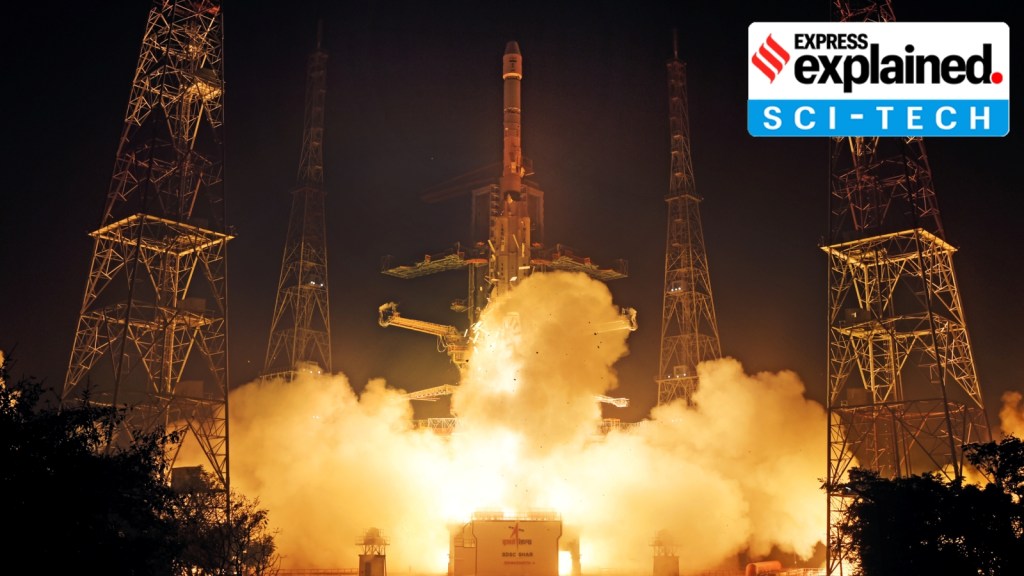
Reference image of an ISRO NavIC satellite, not a photograph of the planned NVS-03 launch. NVS-03 could help restore standalone positioning after successful orbital deployment and commissioning.#8
Science & TechnologyGS 3

NavIC Restoration: NVS-03, Constellation Continuity and Sovereign Navigation

ISRO is slated to launch NVS-03 on October 30, potentially restoring NavIC’s standalone positioning service by bringing its operational navigation constellation to the minimum requirement of four satellites. Restoration depends on successful orbital deployment and commissioning, while sustained reliability requires timely satellite replacement, dependable atomic clocks and compatible receivers.

Free UPSC daily current affairs quiz — 10 questions, new every day at 8 am IST.

Call nowWhatsApp